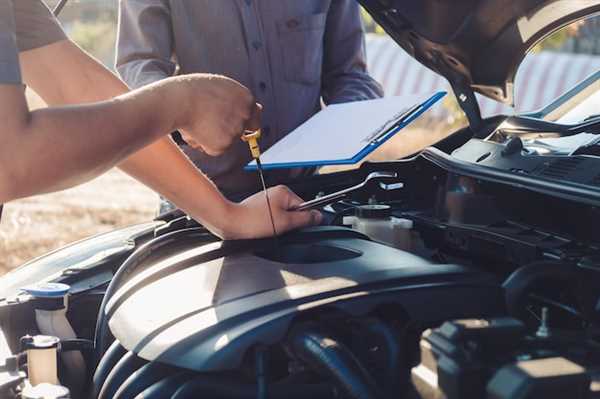
Acquire a high-end vehicle only after verifying its maintenance records. A well-documented maintenance file offers insights into the treatment a vehicle has received, ensuring it aligns with the standards expected from luxury brands. This practice not only reveals previous repairs but also indicates how diligently the owner maintained the vehicle.
In the realm of premium automobiles, small details matter. Regular inspections by authorized professionals indicate reliability, while gaps in maintenance can signal potential issues. Understanding the comprehensive care history can save owners from costly repairs in the future and enhances the vehicle’s resale value.
For those seeking to invest wisely, reviewing the maintenance documentation is indispensable. This not only safeguards against unforeseen expenses but also reinforces confidence in the vehicle’s performance and longevity. Whether buying or selling, transparency regarding the care given is a true indicator of quality and reliability in the automotive market.
How Complete Service Records Influence Resale Value
Complete documentation significantly boosts the resale price of high-end vehicles. Buyers are more inclined to pay a premium when they see a meticulous record of maintenance and repairs.
Having well-kept papers can lead to:
- Higher trust levels among potential buyers, making them feel secure about the vehicle’s condition.
- Increased desirability, as individuals often prefer models with verified maintenance records.
- Shorter selling periods, as organized information can expedite the verification process.
Research shows that vehicles with detailed maintenance records can fetch up to 20% more compared to their counterparts lacking such documents.
Key aspects to capture in the documentation include:
- Dates and mileage at each service
- Type of maintenance performed
- Parts replaced or repairs conducted
- Any recalls addressed
- Records of inspections and any modifications made
Keeping these records pristine and accessible not only enhances the resale proposition but also elevates the overall ownership experience, ensuring that the vehicle’s value reflects its true condition.
Key Maintenance Services that Should be Documented in Service History

Regular oil changes are critical for ensuring your vehicle’s engine operates smoothly. Always record the type of oil used and the mileage at which the change occurred.
Brake inspections should be noted, including pad replacements and rotor servicing. Documenting these details aids in tracking wear and ensuring optimal performance.
Tire rotations promote even wear; capturing the frequency and mileage of these rotations helps prolong tire life and enhances safety.
Fluid checks and replacements, such as transmission and coolant fluids, are key. Logging their maintenance ensures that your vehicle remains in prime condition.
Battery testing and replacements should also be included; keeping track of age and performance can prevent unexpected failures.
Any repairs or replacements related to the suspension system should be detailed to maintain ride comfort and handling accuracy.
Documenting modifications or upgrades enhances resale value. Ensure any enhancements are recorded with specifics on parts and adjustments made.
Finally, detailing any inspections performed by certified technicians contributes to validating the vehicle’s condition and reliability.
Understanding Manufacturer Recommendations for Luxury Vehicle Maintenance

Regular oil changes are crucial, typically every 5,000 to 10,000 miles, depending on the model and oil type. This ensures optimal engine performance and longevity.
Brake fluid should be replaced every two years to maintain braking efficiency and safety. The condition of brake pads must also be monitored around 20,000 to 50,000 miles.
Tire rotation is advisable every 6,000 miles to ensure even wear and extend tire life. Checking air pressure monthly helps with fuel efficiency and handling.
Cooling system flushes are recommended at specific intervals, often every 30,000 miles, to prevent overheating and engine damage.
Transmission fluid changes, depending on the vehicle, can range from 30,000 to 60,000 miles to ensure smooth shifting and prevent costly repairs.
Following the manufacturer’s timelines and recommendations provides clarity for maintaining your sophisticated automobile’s performance and value over time.
Documenting each maintenance session contributes to resale value and provides a thorough record for future reference, emphasizing the significance of keeping meticulous records.