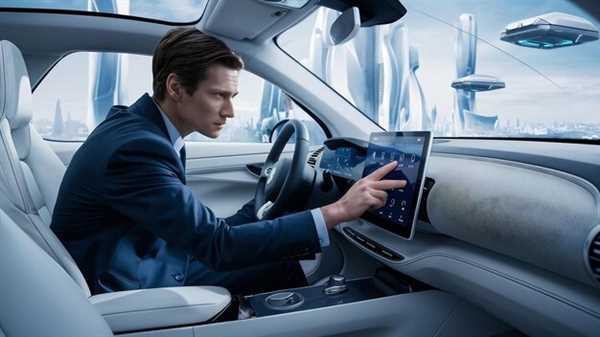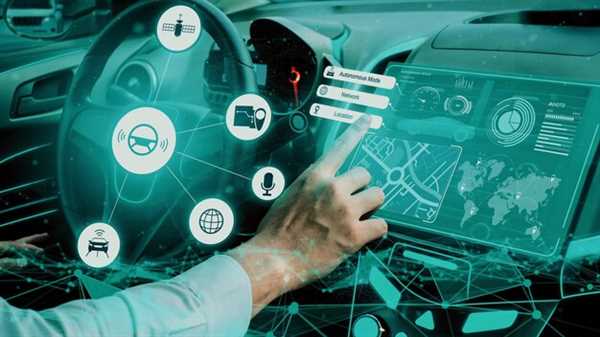
Prioritize the integration of cutting-edge assistance solutions to enhance vehicle operation and safety. The rise of intelligent technology has revolutionized how we travel, offering features like adaptive cruise control, lane-keeping assistance, and automated parking. These innovations significantly reduce driver workload while improving road safety.
Invest in vehicles equipped with advanced safety enhancements. Statistics show that cars fitted with collision avoidance systems reduce accident rates by up to 30%. This statistic underscores their role in promoting secure driving environments. Engaging in continuous updates and maintenance of these systems is essential for ensuring peak performance and reliability.
Explore the evolution of connectivity within transport. Technologies such as Vehicle-to-Everything (V2X) allow cars to communicate with traffic lights, other vehicles, and infrastructure. This interconnectivity leads to smoother traffic flow and decreased congestion, ultimately contributing to sustainability efforts by minimizing emissions and fuel consumption.
Stay informed about the ongoing advancements in artificial intelligence driving enhancements. These developments are paving the way for automated driving, which promises unprecedented convenience and efficiency. Engaging with these emerging technologies can position you as a forward-thinking participant in the future of transportation.
How Predictive Analytics Enhances Driver Assistance Systems
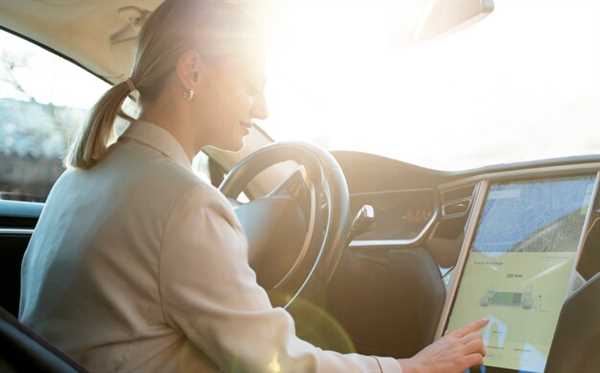
Implementing predictive analytics can significantly boost the capabilities of assistance technologies in vehicles. By leveraging vast amounts of data, this approach anticipates potential hazards and informs preventive measures.
For optimal performance, integrating real-time traffic data with historical patterns is crucial. This allows systems to forecast traffic flow and adjust guidance accordingly, minimizing congestion and enhancing safety.
Moreover, employing machine learning algorithms aids in identifying driver behavior trends. By recognizing patterns, the technology can offer personalized assistance, catering to individual driving styles and preferences.
Utilizing environmental data, such as weather conditions, predicts how these factors impact vehicle handling. Such insights enable proactive adjustments to steering and traction controls, ultimately enhancing stability.
Incorporating predictive maintenance alerts helps prevent breakdowns by forecasting vehicle performance issues before they escalate. This feature not only ensures smoother operation but also improves overall reliability.
Adopting predictive analytics offers manufacturers a competitive edge by enhancing user experience. With enriched data-driven insights, carmakers can improve systems continuously, adapting to emerging trends in vehicle usage.
In summary, focused application of predictive analytics transforms assistance technologies into proactive solutions, providing greater safety and efficiency on the road.
Impact of Lane Keeping Assist on Traffic Safety Metrics
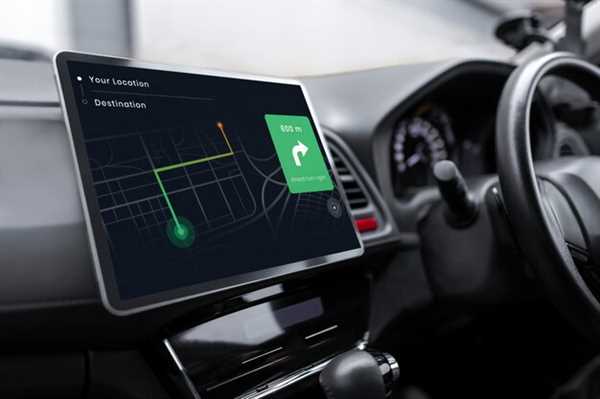
Lane Keeping Assist technology has demonstrated a significant reduction in road incidents related to lane departure. Statistics indicate that vehicles equipped with this feature experience up to a 30% decrease in accidents caused by unintentional drifting. Implementing this technology leads to enhanced stability, thus lowering the likelihood of collisions, especially in urban environments where lane changes are frequent.
This assistance mechanism utilizes cameras and sensors to monitor lane markings, providing real-time corrective steering inputs. Research shows that consistent usage results in improved driver focus, reducing fatigue and distraction. Data highlights a direct correlation between the presence of such assistance and a decrease in serious injuries on highways, with some studies reporting a 25% reduction in crash severity.
Furthermore, insurance analyses suggest that vehicles with Lane Keeping Assist have lower premiums, reflecting fewer claims related to lane-related accidents. For fleet operators, integrating this technology can lead to significant cost savings through diminished accident rates and associated expenses. In light of these findings, it is advisable for manufacturers and consumers to prioritize vehicles equipped with lane keeping technologies to enhance road safety metrics.
Integrating Vehicle-to-Everything (V2X) Communication for Smarter Cities
Implement V2X communication to enhance urban infrastructure and improve road safety. This technology facilitates real-time data exchange between vehicles, infrastructure, and other road users, allowing for timely assistance and informed decision-making.
Prioritize deploying dedicated short-range communication (DSRC) and cellular vehicle-to-everything (C-V2X) protocols. These standards ensure robust connectivity and minimize latency during critical interactions, such as vehicle collisions or traffic congestion management.
Adopt a centralized data hub to manage information collected through V2X channels. By analyzing traffic patterns and user behaviors, city planners and transportation officials can optimize traffic signals, reduce waiting times, and improve overall transportation flow.
Encourage collaboration between technology providers and city authorities to establish a framework for V2X deployment. Joint initiatives can facilitate pilot projects that test various aspects of this communication, ensuring interoperability across different vehicle models and municipal systems.
Integrate advanced analytics and machine learning algorithms to predict traffic disruptions and offer alternative routes in real-time. This proactive approach not only enhances the driving experience but also alleviates congestion and lowers emissions.
Consider the privacy and security aspects inherent in V2X communication. Implement encryption protocols and secure user identification methods to ensure that personal data remains protected while allowing for seamless assistance and service delivery.
Incorporate V2X capabilities into future urban planning initiatives. Design infrastructures that support smart traffic signals, pedestrian alert systems, and vehicle routing systems. Such integration can lead to a cohesive smart city framework, where all stakeholders benefit from improved transportation dynamics.