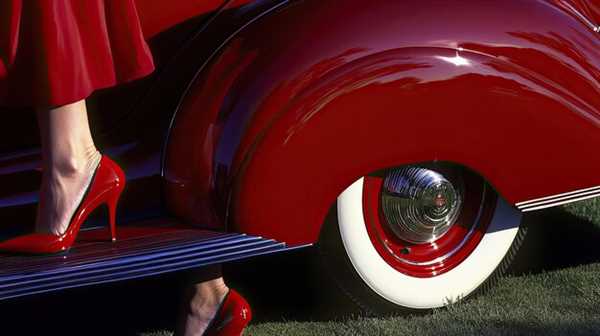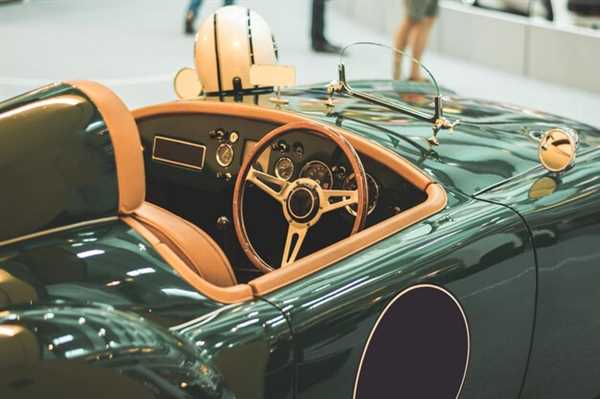
To fully appreciate the artistry that shapes vehicles, one must examine the principles that govern aesthetics in the automotive sphere. Iconic shapes and lines introduced decades ago continue to resonate, influencing contemporary creations and inspiring designers globally.
Each model tells a story, with elements like curves and symmetry reflecting the ethos of their era. The elegance of these forms plays a pivotal role in setting trends and establishing benchmarks for quality and style. Recognizing the sources of this influence can enhance your understanding of current automotive innovations.
When evaluating vintage models, consider how their silhouettes and structural simplicity communicate beyond function. These vehicles demonstrate that aesthetic choices are not merely superficial; they shape perceptions and experiences. By drawing on this legacy, today’s creators can craft vehicles that still evoke admiration and nostalgia.
Craftsmanship: How Material Choices Shape Design Aesthetics
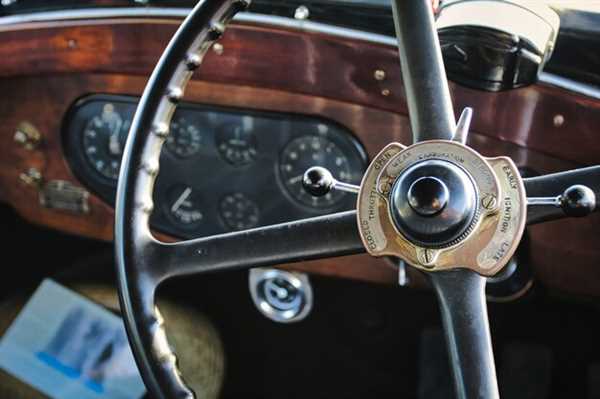
Prioritize high-quality materials like aluminum, leather, and chrome for aesthetic appeal and durability. These choices enhance structural integrity while offering a sleek visual impact. For instance, aluminum not only lightens the overall weight but also allows for intricate shapes that catch the eye.
Incorporate natural elements, such as wood accents or real leather upholstery. This approach not only creates warmth but also suggests elegance and sophistication. Hand-stitched interiors demonstrate exceptional attention to detail, further elevating the impression of craftsmanship.
Utilize textured surfaces like brushed metals or matte finishes to instill depth in appearance. These variations engage the senses beyond mere visual aesthetics, contributing to a richer overall experience.
Consider the longevity of selected materials. High resistance to wear ensures that beauty is maintained over time, making the vehicle not just an object of use, but a lasting piece of art.
Balance modern and traditional approaches; for example, pairing state-of-the-art composite materials with classic design principles can create a harmonious blend. This fusion keeps the aesthetic fresh while respecting historical influences.
Legacy: The Role of Iconic Models in Modern Automotive Trends
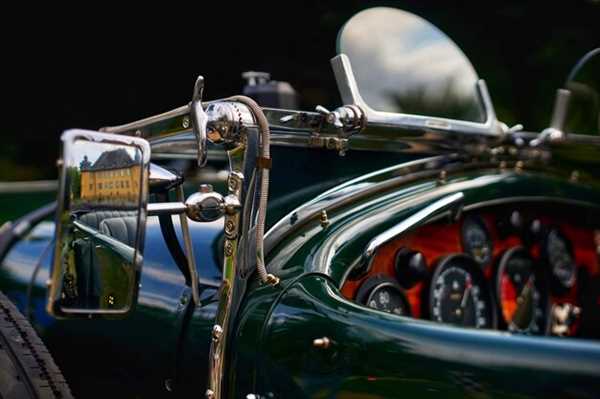
Emulate the aesthetic and engineering principles of legendary vehicles like the Porsche 911 or the Jaguar E-Type, which continue to shape contemporary production. Their streamlined silhouettes and performance-driven specifications set benchmarks that today’s manufacturers aspire to achieve.
Incorporate features inspired by renowned designs, such as advanced aerodynamics and lightweight materials. These elements enhance efficiency while maintaining the spirit of those classic automobiles. For instance, electric models derive inspiration from the curvature and proportions of traditional sports cars, merging nostalgia with innovation.
Recognize the influence of historical automotive brands on consumer preferences. Many modern vehicles reflect stylistic cues from iconic predecessors, as seen in modern interpretations of retro designs. Consider how the retro-futuristic aesthetic drives sales in segments looking to evoke emotion through heritage.
Innovation in technology often draws from the craftsmanship of earlier models. The integration of smart technologies preserves the driver-focused experience that characterized noteworthy vehicles of the past. Future designs should prioritize the driver’s connection with the vehicle, echoing the sentiment found in classic rides.
Fostering an appreciation for automotive heritage in marketing strategies can resonate with both enthusiasts and new buyers. Highlighting connections to iconic machines can create lasting brand loyalty and emotional ties. Brands that honor their lineage are often viewed as more authentic, attracting a dedicated customer base.
Preservation: Strategies for Maintaining Classic Car Integrity
Regular inspections are crucial. Schedule bi-annual checks to identify rust or frame damage early on. Utilize quality rust prevention treatments to safeguard exposed metal.
Storage conditions significantly impact longevity. Use a climate-controlled environment with consistent temperature and humidity. Cover your vehicle with a soft, breathable fabric to prevent dust accumulation.
Routine maintenance should include fluid changes and component checks. Use original or OEM parts during replacements to maintain authenticity and performance standards. Pay attention to the engine, brake system, and electrical components.
Environmental factors such as UV rays and pollutants can deteriorate surfaces. Invest in protective coatings for the paint and interior materials to resist fading and cracking.
Documentation plays a key role. Maintain a detailed history of repairs, parts replacements, and modifications. This not only helps in future maintenance but also enhances the vehicle’s value for potential buyers.
Join communities and forums dedicated to enthusiasts. Sharing knowledge and experiences can provide insights into preservation techniques and access to rare parts.
Participate in events and shows to keep the vehicle active without excessive strain. Regular driving helps maintain mechanical integrity and prevent issues associated with inactivity.