Opt for suspension adjustments to enhance stability and cornering precision. Lowering the ride height can significantly reduce body roll, leading to more confident handling. Consider upgrading shocks and springs for improved weight distribution and responsiveness, allowing for a more connected feel to the road.
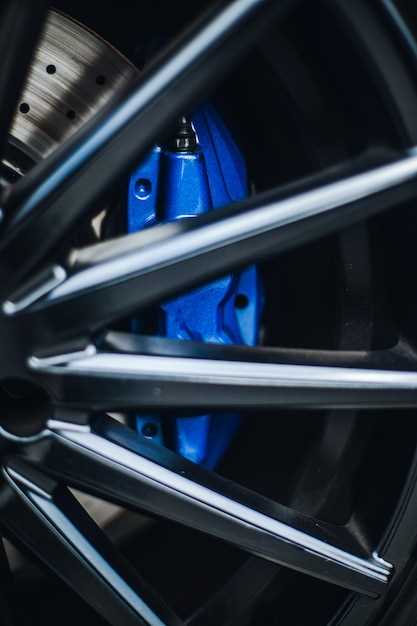
Brake performance directly benefits from enhancements in the framework. Upgrading rotors and calipers not only provides better stopping power but also contributes to a more controlled and reassuring feedback. This modification helps in maintaining speed through tight corners, offering a sense of security on every turn.
Adjusting the alignment can fine-tune the track and camber settings, which play a crucial role in tire grip and wear. Correct alignment ensures that power is efficiently translated to the pavement, resulting in a more predictable trajectory during acceleration and braking.
Weight reduction techniques, such as replacing heavy components with lighter alternatives, can transform the responsiveness of any automobile. These changes allow for quicker acceleration and an overall livelier feel without sacrificing structural integrity. The synergy between a lighter build and tuned components creates an engaging and lively ride.
Understanding Suspension Adjustments for Enhanced Comfort
Adjust the dampers to a softer setting to absorb bumps more efficiently, enhancing ride quality without sacrificing stability. Softer compression and rebound rates allow for greater wheel movement, providing a more forgiving and smooth feel on uneven surfaces.
Tweak the spring rates as needed; softer springs generally offer better comfort over rough terrain while stiffer options can maintain control during spirited driving. However, it’s key to find the right balance between softness for comfort and firmness for responsiveness.
Check the ride height. Lowering the vehicle can increase the comfort level by lowering the center of gravity and improving handling, but be cautious of potential grounding issues or increased harshness over larger obstacles.
Utilize sway bar adjustments to enhance handling characteristics. A softer bar can increase comfort by allowing more independent wheel movement, while a stiffer setup will provide better cornering stability. Find a compromise that suits personal preferences.
Regular maintenance of suspension components ensures they perform optimally. Worn shocks or bushings can lead to a harsh ride. Replace these parts as necessary to maintain a pleasant driving sensation.
Finally, take into account tire pressure and choice of tires. Correct inflation enhances traction and comfort, while appropriately selected tires contribute significantly to the feel and responsiveness of the vehicle.
How Weight Distribution Affects Handling and Stability
A balanced weight layout is key for optimal cornering and traction. Aim for a near 50/50 distribution between the front and rear axles for improved road grip and predictability during maneuvers.
An excessive front bias may lead to understeer, making the vehicle less responsive to steering inputs. On the other hand, a rear-heavy setup can cause oversteer, which may result in loss of control in sharp turns. Adjusting the position of components such as the battery or spare tire can help fine-tune this balance.
Choosing the Right Tires for Improved Grip and Feedback
Select tires based on your specific environment and intended use. For wet conditions, prioritize tires with deeper grooves to channel water away, enhancing traction. When prioritizing performance on dry roads, consider tires with a stiffer sidewall designed for maximum contact with the pavement.
All-season tires may seem convenient, but high-performance summer tires often provide superior grip and responsive handling in favorable weather conditions. The rubber compound is critical; softer compounds generally offer better grip at the cost of durability. Track enthusiasts should opt for race-specific tires, which are engineered for extreme cornering without overheating.
An aspect often overlooked is the tire pressure. Maintaining optimal inflation can greatly influence how the vehicle adheres to the road, affecting feedback during turns and braking. Regularly check tire pressure to ensure it corresponds to manufacturer recommendations.
Wheel alignment also plays a significant role. Even the best tires will underperform if misaligned. A proper alignment ensures even tire wear and enhances overall grip and stability. Invest in routine alignment checks, especially after significant impacts or tire changes.
Finally, consider the tread pattern. Tires designed with asymmetric or directional patterns can significantly improve handling and noise levels. Experiment with different brands and models to determine the ideal combination that meets your performance preferences and conditions.