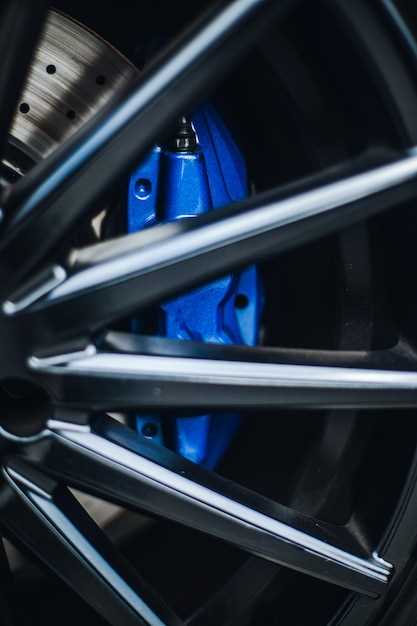
To achieve optimal harmony between speed and handling, focus on weight distribution and suspension tuning. A near 50/50 weight ratio enhances stability during cornering, resulting in improved traction and maneuverability. Consider using lightweight materials such as aluminum or carbon fiber to decrease mass without sacrificing strength, thereby elevating overall efficiency.
Integrating advanced technologies, such as adaptive suspension systems, can further refine handling characteristics. These systems adjust dampening in real-time, responding to road conditions while maintaining a firm grip. This approach allows for both agile responsiveness on twisty roads and comfort during longer drives.
Engine tuning plays a pivotal role as well; optimizing torque delivery ensures smooth acceleration without overwhelming traction. Implementing variable valve timing can enhance both low-end response and high-end power, striking a balance that caters to diverse driving styles.
Regularly assessing feedback from advanced telemetry systems can provide valuable insights into vehicle dynamics. This data allows engineers to fine-tune components and settings for specific driving conditions, fostering an environment of continuous improvement and performance maximization.
Optimizing Engine Tuning for Enhanced Drivability

Focus on the air-fuel mixture for a smoother throttle response. Achieving the ideal stoichiometric ratio can significantly improve engine behavior at low and medium RPMs.
- Utilize engine management systems to fine-tune fuel maps for better combustion efficiency.
- Consider installing a high-performance intake system that promotes optimal airflow.
- Adjust ignition timing to enhance responsiveness without causing knock.
Optimize your camshaft profile for better mid-range torque delivery. Slight adjustments can lead to a noticeable difference in power band characteristics.
- Evaluate the compression ratio to enhance thermal efficiency.
- Use dyno testing to determine the best combination of components.
- Experiment with different fuel grades to assess improvements in performance.
Retune the exhaust system for reduced backpressure. A free-flowing exhaust allows the engine to expel gases more efficiently, enhancing responsiveness during acceleration.
- Consider headers designed for your specific engine type to aid in exhaust flow.
- Incorporate a resonator to tune sound while maintaining performance.
Regularly monitor engine parameters to ensure the optimized settings deliver consistent results. Utilize diagnostic tools for real-time data and adapt tuning as needed.
Prioritize user experience by refining throttle mapping. Adjusting throttle sensitivity can result in more predictable driver engagement.
Evaluating Suspension Design for Performance and Comfort
Prioritize a double-wishbone suspension layout for enhanced handling precision while maintaining ride comfort. This design minimizes body roll during cornering, optimizing road grip without compromising passenger experience.
Incorporate adjustable dampers to fine-tune characteristics. Adjustable settings allow drivers to switch between sport-focused stiffness and a more compliant setup for daily use, ensuring both responsive handling and a smooth ride.
Utilize lightweight materials like aluminum or composite fibers to reduce unsprung mass. Lighter components improve suspension responsiveness, leading to better tire contact with the road, which can significantly enhance overall stability and traction.
Implement progressive rate springs. Such springs provide a softer initial compression, improving comfort over small bumps, and gradually increase resistance for larger impacts, thus maintaining control during aggressive maneuvers.
Link suspension geometry adjustments to vehicle dynamics modeling. Utilize software to simulate various setups, focusing on how different configurations affect performance metrics like lap times and driver feedback.
Evaluate tire characteristics alongside suspension modifications. Matching tires with the right sidewall stiffness and tread pattern greatly influences vehicle behavior and comfort, creating a cohesive system that maximizes performance.
Integration of Advanced Technology for Power Management
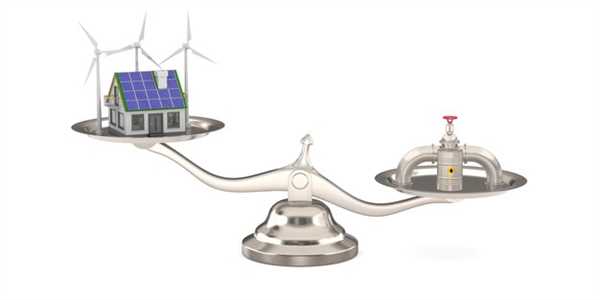
Implementing energy recovery systems is essential for enhancing vehicle performance. Regenerative braking can recuperate energy during deceleration, which can then be redirected for immediate use, boosting efficiency. This technology minimizes energy waste and maximizes throttle response.
Incorporating hybrid electric powertrains can significantly reduce fuel consumption. This design allows for a combination of internal combustion engines and electric motors, optimizing performance based on driving conditions. The integration of sophisticated control systems ensures seamless transitions between power sources, enhancing responsiveness.
Utilizing predictive algorithms for energy distribution provides a strategic advantage. By analyzing driving patterns and environmental conditions, vehicles can preemptively allocate energy, enhancing acceleration and responsiveness during critical moments. These algorithms can be integrated into the vehicle’s onboard systems for real-time adjustments.
Investing in lightweight materials improves overall dynamic capability. Reducing mass directly correlates to improved acceleration and agility. Advanced composites and high-strength steels provide the necessary strength while lowering weight, facilitating enhanced handling and performance metrics.
Real-time data analytics can elevate the driving experience. By monitoring various metrics–including tire traction, engine load, and weather conditions–vehicles can dynamically adjust parameters to optimize performance. A centralized data hub streamlines information processing, allowing for rapid decision-making.
Integration of vehicle-to-everything (V2X) technology enhances situational awareness. This capability facilitates communication between vehicles and infrastructure, allowing for smarter energy management during navigation and traffic flow, ultimately resulting in improved drivability in congested areas.
Lastly, modular software platforms allow for continuous refinement and upgrades. Over-the-air updates can improve software functionalities without necessitating physical modifications, ensuring that vehicles maintain peak performance over time, aligning with advancements in research and consumer expectations.