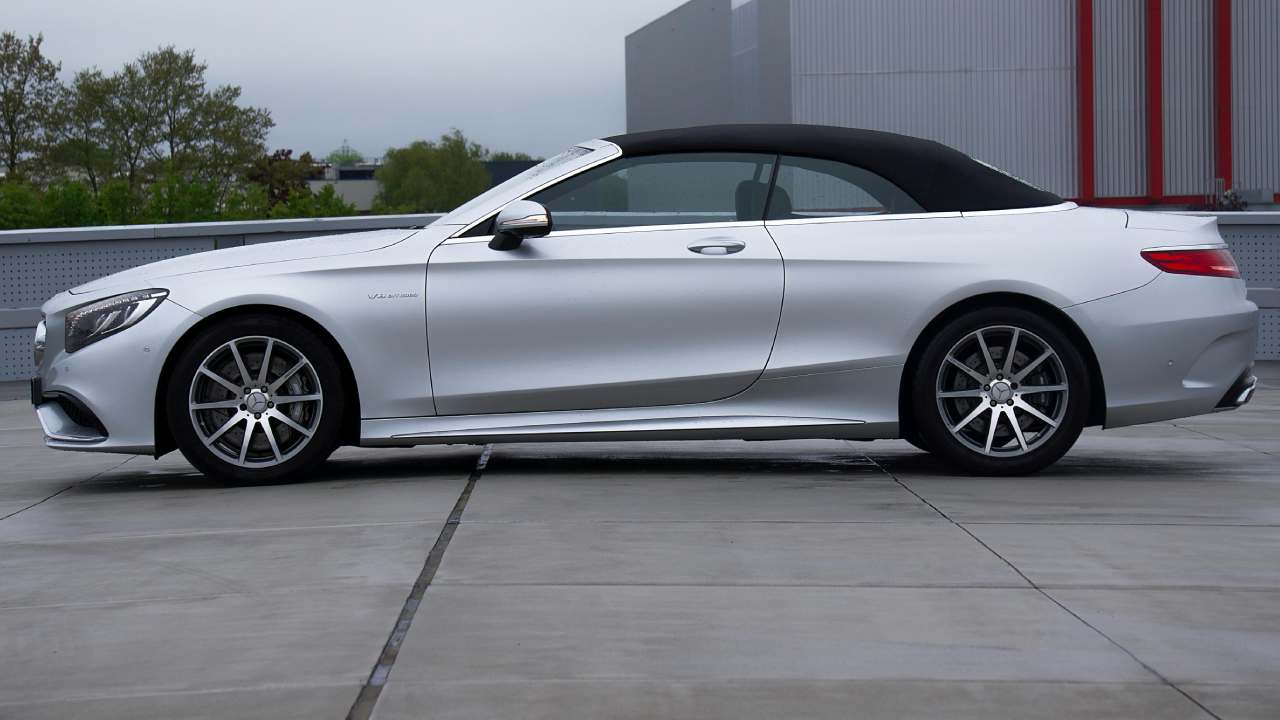
Seek out advanced innovation in every automobile, where enhanced engineering meets high-grade materials. Exceptional vehicles now integrate cutting-edge technology that elevates the driving experience, ensuring seamless connectivity and intuitive interfaces.
The interior ambiance of premium rides combines comfort and artistry, featuring exquisite craftsmanship and bespoke designs. Look for supple leather, detailed stitching, and customizable options that reflect personal style, creating a sanctuary on wheels.
Performance remains paramount; expect finely tuned engines delivering unparalleled power alongside responsive handling. Advanced safety systems, including adaptive cruise control and collision avoidance, ensure peace of mind, setting a new standard for protective measures in the industry.
Efficiency and sustainability play an increasing role in design philosophy. Many manufacturers are investing in hybrid and electric options that uphold the luxurious experience while minimizing environmental impact. This approach not only enhances the brand image but also meets the discerning consumer’s expectations for responsible driving.
Advanced Technology Integration in Luxury Vehicles

Utilizing augmented reality displays enhances navigation by superimposing directions onto the live view of the road, creating an intuitive experience. Interactive voice command systems allow drivers to control various functions hands-free, promoting safety and convenience.
Incorporating AI-driven personal assistants adapts to the preferences and habits of the owner, optimizing vehicle settings accordingly. Smart connectivity enables seamless integration with smartphones, allowing for easy access to apps and features directly from the vehicle interface.
Adaptive cruise control systems utilize sensors to maintain safe distances from other vehicles, while lane-keeping assist ensures drivers stay centered within their lanes. Advanced driver assistance systems (ADAS) leverage multiple cameras and radar to enhance situational awareness.
Cloud-based technology facilitates over-the-air updates, ensuring that software remains current without the need for dealership visits. High-quality audio systems provide immersive sound experiences, often featuring customizable settings for various music genres.
Electric drivetrains create a quieter ride with instant torque delivery, while innovative battery management systems maximize efficiency and range. Environmental control systems are often equipped with air purification features, ensuring the interior atmosphere remains fresh.
Integrated safety technologies monitor driver alertness, alerting them if signs of fatigue are detected. Additionally, enhanced security measures such as biometric access and tracking systems protect vehicles from theft.
Personalization Options for Enhanced Driver Experience
Modern vehicles offer a wealth of customization opportunities that elevate the driving experience. Among the most sought-after enhancements are adjustable seating configurations, which allow for tailored comfort through memory settings for multiple drivers. This feature remembers the preferred positions of the seat, steering wheel, and mirrors, ensuring a seamless transition between drivers.
Another significant area of customization lies in ambient lighting. Drivers can select from an array of colors and intensity levels, creating an atmosphere that reflects their mood or enhances their driving experience. This option not only adds an aesthetic appeal but also improves visibility in various conditions.
Infotainment systems now include advanced personalization capabilities, enabling users to create individual profiles with preferred apps, music playlists, and navigation settings. Integration with voice recognition technology allows for hands-free operation, creating an intuitive interface that adjusts to the driver’s preferences.
Moreover, climate control systems have evolved to offer dual or multi-zone settings. This allows for tailored temperature settings for different passengers, maximizing comfort during travel. Smart climate systems can also automatically adapt based on exterior conditions, providing a dynamic approach to thermal comfort.
Finally, many brands now provide bespoke interior materials and finishes, such as premium leather, handcrafted wood, or metal accents. These options cater to individual tastes, allowing owners to create an inviting and personalized environment that complements their style while driving.
Sustainable Practices in Luxury Car Manufacturing

Adopt recycling strategies by integrating reclaimed materials into production processes. Utilizing reused metals and plastics significantly reduces environmental impact while maintaining high standards of quality.
Invest in renewable energy sources for manufacturing facilities. Solar panels and wind turbines can power operations, lowering carbon emissions. Some brands have achieved over 50% energy requirement from sustainable sources.
Implement eco-friendly supply chains by selecting suppliers committed to sustainable practices. Verifying their environmental certifications can ensure that raw materials are sourced responsibly.
Develop hybrid and electric options in product lines. Advanced battery technology not only enhances performance but also minimizes reliance on fossil fuels, appealing to environmentally conscious consumers.
Introduce lightweight materials such as carbon fiber or aluminum to improve fuel efficiency without sacrificing luxury. Testing new composites can lead to significant weight reductions while enhancing design flexibility.
Establish end-of-life vehicle programs to promote recycling and reuse of components. This initiative not only conserves resources but also positions the brand as a leader in sustainability.
Engage in carbon offset initiatives to balance emissions generated during manufacturing. Investing in reforestation projects or renewable energy can help mitigate environmental effects associated with production.
Prioritize durability and repairability in design processes. Creating vehicles that last longer and are easier to repair reduces resource consumption and waste, aligning with sustainable consumption practices.