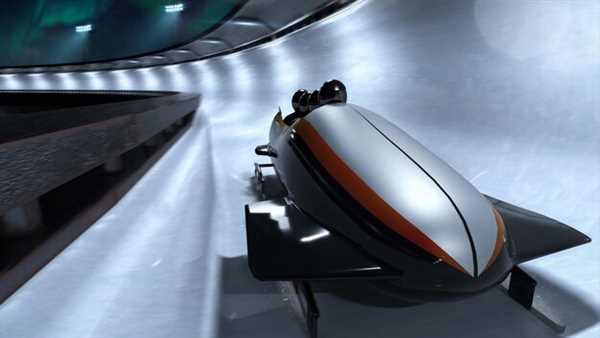
To optimize speed and handling in high-performance vehicles, focus on body shapes that minimize drag while maximizing downforce. Research indicates that streamlined designs featuring smooth contours and a low profile significantly enhance stability at high velocities. For instance, consider the benefits of a teardrop shape, which effectively reduces air resistance.
Another key aspect involves adjustable components such as spoilers and air intakes. These elements can dramatically alter airflow, allowing drivers to adapt to varying track conditions. Testing has shown that vehicles equipped with active aerodynamics experience improved cornering and braking efficiency due to better traction.
Additionally, understanding the airflow around the vehicle can lead to smarter modifications. Wind tunnel testing or computational fluid dynamics simulations can provide insights into how air interacts with various surfaces, helping to identify areas for enhancement. By prioritizing these tactics, you can significantly elevate the performance of any high-speed machine.
How Downforce Enhances Stability at High Speeds
Maximizing downforce is key to improving vehicle stability at elevated velocities. By generating a negative lift, it pushes the car closer to the road surface, increasing grip and control. This effect is particularly beneficial during cornering and aggressive maneuvers.
Design elements such as spoilers, diffusers, and splitters contribute significantly to this force. Positioning them strategically alters airflow, optimizing pressure differentials. For example, a rear wing can produce substantial downforce, helping maintain traction even at high speeds.
Furthermore, modifications to the vehicle’s underbody, like streamlined shapes and air channels, can enhance airflow management, creating consistent aerodynamic profiles. The result is reduced lift, allowing for more reliability in steering responses and braking performance.
Test data frequently show that vehicles equipped with advanced downforce features achieve higher cornering speeds without compromising stability. This capability translates into improved lap times and enhanced handling characteristics.
Investing in wind tunnel testing can provide valuable insights into how design adjustments can amplify downforce, leading to optimized vehicle performance. Monitoring real-time data during track sessions allows for fine-tuning setups to achieve ideal balance between speed and control.
The Role of Airflow Management in Cooling Systems
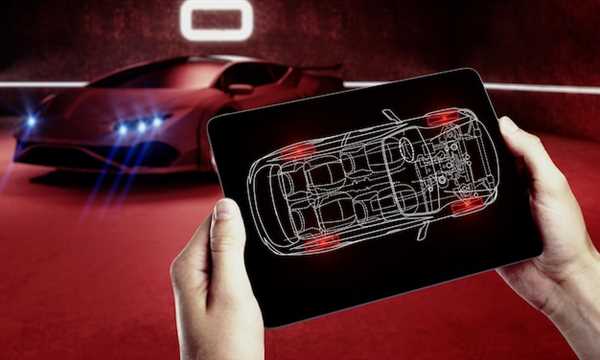
Implementing optimal airflow management is key to enhancing the cooling mechanisms in high-performance vehicles. Start by ensuring that air intakes are strategically positioned to maximize the flow of cool air towards critical components such as the radiator and intercooler.
Utilize ducting and vents that guide airflow directly to these areas without obstruction. Incorporate active aero elements that adjust according to speed and temperature, optimizing cooling when necessary. This technique reduces drag while improving thermal efficiency during intense driving conditions.
Utilize lightweight materials in the construction of the cooling system components to enhance overall performance. Additionally, consider the use of airflow simulations during the design phase to predict how modifications will affect cooling efficiency. Testing prototypes in wind tunnels helps refine designs before implementation.
Monitor temperature levels closely to calibrate the effectiveness of airflow management solutions. This data is crucial to prevent overheating and ensure reliability under high-stress situations. Understanding and continuously optimizing this aspect is key to maintaining performance and longevity in advanced automotive engineering.
Impact of Drag Coefficient on Acceleration and Fuel Efficiency

The drag coefficient significantly influences both speed and fuel consumption in high-performance vehicles. Lowering this value enhances straight-line acceleration while maintaining a stable ride. For instance, a vehicle with a drag coefficient around 0.25 can achieve higher top speeds compared to those with coefficients near 0.35, as the former faces less air resistance at high velocities.
A reduction of just 0.01 in the drag coefficient can result in noticeable improvements in fuel economy, especially during highway cruising. For example, a supercar with a drag coefficient of 0.30 versus 0.33 can experience a fuel efficiency increase of approximately 5-10%, depending on the speed and driving conditions. Such enhancements are vital for manufacturers aiming to balance performance with practicality.